|
1
|
- A Rethinking Exercise on
- Role of the Professionals
|
|
2
|
- Time has come for fundamental Rethinking
|
|
3
|
|
|
4
|
- Professions are also exposed to variety of RISK FACTORS
- Internal Risk
- Technological Risk
- Legislative Risk
- Competitive Risk
- Professionals need to change with Changing Paradigm
- Increasing expectations of Society from Professionals
- Professionals need to grow on a Sustainable Basis
|
|
5
|
|
|
6
|
- Focus on Legal Recognition - Consistent focus on legal recognition even
when professionals have wider knowledge to perform variety of roles
- Limited Focus on Professional Development – After becoming professionals
members do not attends programmes to update their skills and knowledge
- Research and Development – Professionals are so busy with routine
activities that they forget importance of proactive research and
development
- Reactive Strategy – Traditional Professionals act very late, whereas
MBAs and MCAs change with time and technology
|
|
7
|
- Poor Communication Strategy – Capabilities of professionals are not
highlighted properly at various forums
- Poor Employability – Lack of effective training and awareness in the
industry
- Lack of Entrepreneurial Skills – Members still prefer less paying
secured jobs than starting practice
- Lack of Self Confidence – “our members lack confidence”, “we can’t do it
better than advanced countries”, “big 4 are threat”, “we cannot match
anybody”, etc
|
|
8
|
- Technology does not come with a warning (A decade old NSE accounts for
86% Turnover)
- ERP and Financial Accounting Software have already taken most of the
accounting jobs
- E-Commerce is wiping off Middle Management from the organisational
hierarchy
- Financial decisions and legal compliances are becoming automatic
- Financial and Secretarial Software and Websites make it so easy that one
professional can handle any number of companies
|
|
9
|
- DCA Vision Statement – Towards simplified corporate laws facilitating
growth of corporate sector
- Dilution of much awaited Companies Bill 2003
- All expert reports suggest further liberalisation and simplification of
law
- Naresh Chandra II Committee recommends concessions to small companies
and says that the company law was made in days of License Raj and now it
must change for enhancing competitiveness of India
- We still find English Case Laws for Non-Compliance of Law
|
|
10
|
- Global competitor need no explanation
- Reducing distinction between services provided by professionals
- CS, CA, CWA, LLB all are now recognised for issuing various
certificates and representing in all Tribunals
- SEBI, BSE, NSE, and other organisations have started their own Learning
Institutes
- Private Institutions are getting recognition from Government, Regulators
and Industry
- Private Institutions are becoming Deemed Universities, thus adding to
competition
|
|
11
|
|
|
12
|
- All this is something happened over the years
|
|
13
|
- Something more is happening
|
|
14
|
|
|
15
|
|
|
16
|
|
|
17
|
|
|
18
|
|
|
19
|
- These are bringing opportunities
|
|
20
|
- … and also big challenges
|
|
21
|
- … that may question the existence of professionals providing traditional
services
|
|
22
|
|
|
23
|
- Need of regulatory controls and policing may not arise in the era of
Self-Governance and Corporate Social Responsibility
|
|
24
|
- Vasudev Kutumbakam becoming a reality
- Free and Fair Trade and Vanishing Economic Boundaries
- UN, WTO, WB, IMF, OECD, ADB and
ICC are standardising rules for International Trade
- UN EDIFACT Standard for E-commerce is standardising information relating to Financial,
Administration, Commercial and Transportation information
- Internet and Global ERP Vendors (SAP, Oracle, Baan, PeopleSoft, etc) are
spreading Global Best Practices in Business
- All these moving towards Single Law for Trade and Commerce
|
|
25
|
- Globalisation is a big THREAT for Pessimist Professionals
|
|
26
|
|
|
27
|
- Today or tomorrow we will have to face Global Competition
|
|
28
|
- Information, Communication and Transportation Technologies are
redefining how business is done
- E-Governance (DCA21, EDIFAR, etc.) – Compliance on Click of Mouse
- Capital Market and Banking Integration – Straight Through Processing
- Artificial Intelligence (Expert Systems) – Automatic Decisions
- Enterprise Resource Planning (ERP) and E-Commerce – From Entry to
Balance Sheet everything is automatic
- Computer Aided Design/ Manufacturing (CAD/ CAM) – quick new product
decisions
|
|
29
|
- In years to come computers will do most of our traditional work
|
|
30
|
- Partnership in National Development Projects
- National Highway Projects
- E-Governance & DCA21
- Township Development
- Development of SEZ, EPZ, STP, etc
- Mutual Trust between Government and Industry
- Example: Liberalization and Privatization Policy
- Enhancing Role of Voluntary Sector
|
|
31
|
- Further relaxations in regulatory controls mean reduction in work for
traditional professionals
|
|
32
|
- Some people may even Question
|
|
33
|
- Will there be need of secretarial compliance audit, financial audit or
cost audit in the era of self-governance, free economies, e-governance
and so many relaxations?
|
|
34
|
- Time has come to rethink what traditional professionals will do in
future
|
|
35
|
|
|
36
|
- Opportunities are there but need to be explored
|
|
37
|
- Focus on Areas where Computers cannot enter
- Venturing into Unexplored Areas
- Diversification into New Segments
- Fulfilling Expectations of the Society
- Professionalism in National Development Projects
- Entrepreneurship
- Professionals know how to do business better than anyone
|
|
38
|
- Entrepreneurship
- Innovation/ Idea Generation
- Complex Decision Making
- Contingency Planning
- Crisis Management
- Human Resource Understanding and Development
- Relationship Building
|
|
39
|
- Exploring Opportunities in Various Management Functions
|
|
40
|
|
|
41
|
- Professionals must diversify into New Segments
|
|
42
|
|
|
43
|
|
|
44
|
|
|
45
|
|
|
46
|
|
|
47
|
|
|
48
|
|
|
49
|
|
|
50
|
- Understand Industry Needs
- Gain ‘Substantial Knowledge of Management’ – Learning little more than
what is included in the CS or CA Courses
- Provide PQRS – Productivity, Quality, Reliability and Service
- Use 3Cs - Creativity, Confidence and Communication
- Conduct Periodical SWOT Analysis of Self
- Use Technology to Beat Technology
|
|
51
|
- Productivity – Management want you to use resources in most profitable
manner
- Quality – There is no compromise on quality
- Reliability – Companies require trust in abilities and loyalty to
company all the time
- Service – Value Added Services with courtesy and smile is absolute
necessity
|
|
52
|
- Creativity – Innovation is the critical success factor
- Confidence – Believe in Yourself (Yes, You Can Do It)
- Communication – It is how you make people know about your creativity and
confidence. It is Communication that creates opportunities.
|
|
53
|
- Strengths: What are my strengths?
- Weaknesses: What are my weaknesses?
- Opportunities: What are new opportunities?
- Threats: What are new threats?
|
|
54
|
- Internet and E-commerce
- Enterprise Resource Planning (ERP)
- ERP for Professional Firms
- Customer Relationship Management Tools for Practising Firms
- Data Warehousing and Data Mining
- Computer Based Complex Business Analysis Models
- There are many more...
|
|
55
|
|
|
56
|
- COOPERATE INSTEAD OF COMPETE
|
|
57
|
|
|
58
|
|
|
59
|
- OPTIMISM COMES FROM COOPERATION
|
|
60
|
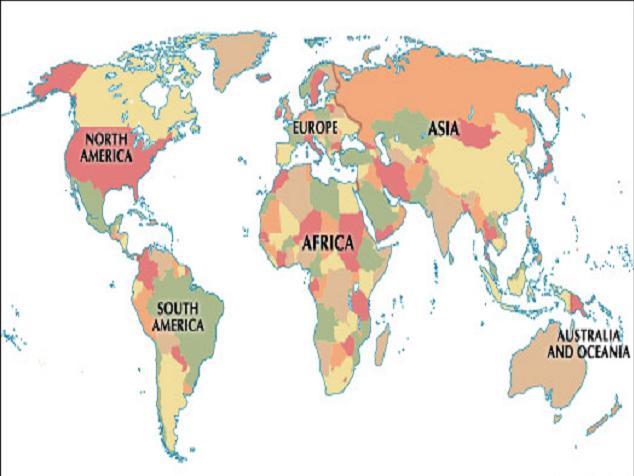
- For Optimists Globalisation means Opportunities in 145 Member Countries
of WTO
|
|
61
|
|
|
62
|
- Global Threats To Global Opportunities
|
|
63
|
- It’s a matter of Perception and Positive Thinking
|
|
64
|
|

 Notes
Notes